
Teacher Resources
We have a range of free resources to support teachers and home educators. Our Learning From Home sessions explore different aspects of Roman life, while the Museum From Home library is full of creative ideas.
Why not head to our online catalogue and explore the collections? The Colchester Through Time series is a great place to start if you’re looking at local history!
Key Stage 1

Old and New Toys
This resource supports post-museum visit learning. It encourages children to observe and compare historical and modern toys through engaging images and guided questions.

Mythical Creatures Lesson Pack
Key Stage 2

Outstanding Oysters

The Siege of Colchester 1648

West African Gold

Before the Romans
This digital module provides a concise look at Britain before Roman contact. It highlights the advanced Iron Age society, their use of sophisticated objects, and their early development of coins, towns, and chariots.

Roman Towns
This session on Roman towns delves into the architectural and societal transformations introduced by the Romans in Britain. It showcases their innovative building techniques and materials and the development of towns that continue to influence British landscapes today.

Roman Homes
This resource on Roman homes unveils the intricacies of domestic life in Roman Britain. It showcases the different types of Roman dwellings, offering insights into their daily living spaces, from luxurious villas to high-density insulae, and highlighting the cultural and architectural innovations they brought to Britain.

Roman Religion
This educational guide on Roman religion explores the diverse pantheon of Roman gods and goddesses, their roles, and how Romans worshipped both at temples and in their homes. It offers a glimpse into the spiritual life that shaped Roman society and its lasting influence on subsequent cultures.

Roman Entertainment
This module reveals the varied amusements of ancient Rome, from theatre and gladiatorial contests to chariot racing and board games, illustrating the social and cultural significance of these activities and their enduring legacy in today’s entertainment forms.

Roman Science
This session explores the innovations brought by the Romans to Britain, from road construction to medical advancements and engineering feats like aqueducts, highlighting how these contributions have left a lasting legacy on modern technology and infrastructure.

Romans: Top Objects
This presentation is designed to prepare classes for a visit to Colchester Castle, enhancing their understanding of the Romans by providing images and an overview of the Top Ten objects to look out for on your visit.

Warrior Queens
This resource introduces students to the lives of Boudica and Rani Lakshmibai, two legendary warrior queens who led resistance against foreign invaders. It highlights their courage, leadership, and lasting legacy as symbols of female strength and the fight for independence.

Local Histories: Benjamin Lay
Benjamin Lay was an Essex Quaker with dwarfism. He was born in Copford and worked in Colchester until he ran away to sea. He later married, moved to Philadelphia, befriended Benjamin Franklin, became a vegetarian, lived in a cave, and campaigned vigorously – and radically – against slavery.

Ancient Egypt Reinterpreted

The Blazing World: Summary
Margaret Cavendish’s The Blazing World is a fantastical tale about a Lady who is taken to a parallel world populated by animal-people with unique skills. She becomes Empress, learning from scientists, philosophers, and spirits before returning to her own world to help in a war.
Mythical Creatures Lesson Pack

One Moon, Many Voices
This illustrated resource brings together moon stories, myths and beliefs from cultures around the world. From Ancient Egypt and China to Aotearoa, Ireland and the Philippines, it explores how different societies have explained the Moon, its phases and its place in human life through storytelling. Suitable for cross-curricular work linking history, literacy, religion and world cultures.
Key Stage 3

Imagine Futures
This online video resource looks at connecting KS3 students with the natural world and has been developed in collaboration with Climate Museums UK. In this video a series of different scenarios and exercises are discussed which were used as part of a trial programme in schools. These can be used by teachers to develop lessons which focus on UK Wildlife, Conservation and connecting students with the Natural World at a local level.
The Siege of Colchester 1648
This resource provides a comprehensive exploration of the Siege of Colchester during the Second English Civil War, detailing its pivotal moments and the enduring impact on British history, ideal for enhancing students’ understanding of this significant period.
Local Histories: Benjamin Lay
Benjamin Lay was an Essex Quaker with dwarfism. He was born in Copford and worked in Colchester until he ran away to sea. He later married, moved to Philadelphia, befriended Benjamin Franklin, became a vegetarian, lived in a cave, and campaigned vigorously – and radically – against slavery.

LGBT+ History
This resource offers an enlightening overview of gender and sexuality through the ages. It challenges modern binary norms by highlighting diverse expressions and attitudes toward gender and sexuality across various cultures and historical periods, from ancient civilisations to contemporary times.

The Catalan Atlas
This resource worksheet guides learners through exploring the medieval masterpiece of the Catalan Atlas, highlighting its creation in 1375 by the Jewish cartographer Abraham Cresques of Majorca. It also introduces learners to notable figures like Mansa Musa, offering a unique lens on historical geography and cultural interaction.

Mansa Musa
This resource worksheet provides an insightful overview of the leader of the Mali Empire, emphasising his extraordinary wealth, contributions to Mali’s prosperity through trade, and historic pilgrimage to Mecca.

Gaia
This resource explores the relationship between Earth’s ecosystems and human impacts, enhances understanding, and promotes environmental stewardship among students.

The Bodleian Bowl
This medieval bronze bowl with three little feet was found in a watercourse in Norfolk over 300 years ago. It is in the Department of Antiquities’s collection at the Ashmolean Museum in Oxford. So why is it referred to as the Bodleian Bowl?
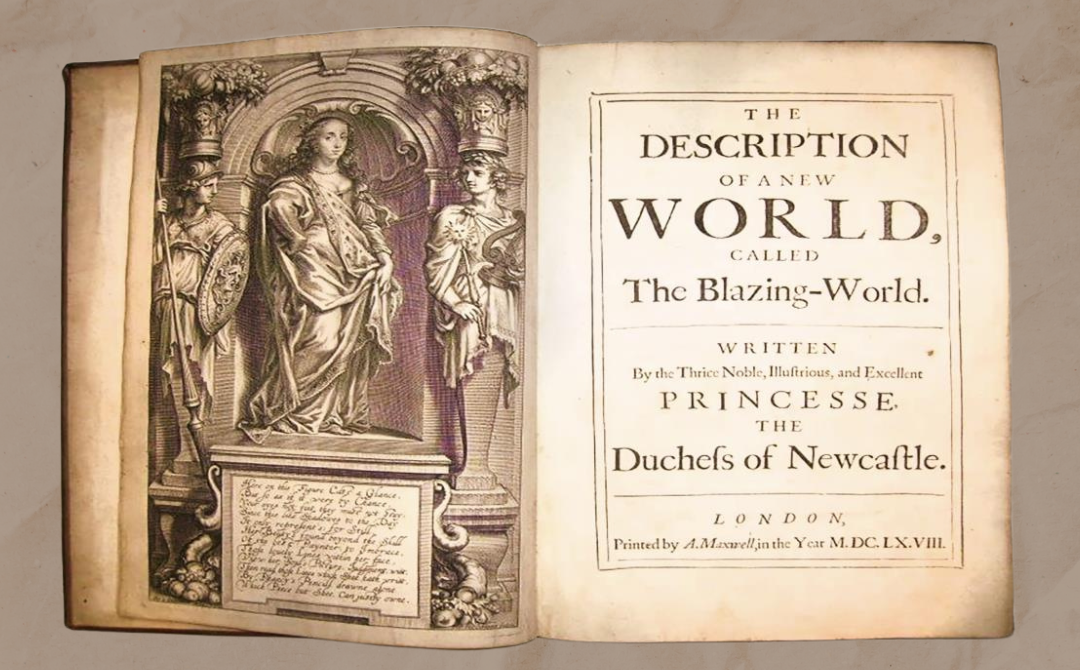
The Blazing World: Summary
This pioneering work of speculative fiction blends science, philosophy, and fantasy. The novel is considered an early feminist and science fiction text, reflecting Cavendish’s intellectual interests and her position as a trailblazing woman in 17th-century thought.
One Moon, Many Voices
This illustrated resource brings together moon stories, myths and beliefs from cultures around the world. From Ancient Egypt and China to Aotearoa, Ireland and the Philippines, it explores how different societies have explained the Moon, its phases and its place in human life through storytelling. Suitable for cross-curricular work linking history, literacy, religion and world cultures.
GCSE + A Level
The Siege of Colchester 1648
This resource provides a comprehensive exploration of the Siege of Colchester during the Second English Civil War, detailing its pivotal moments and the enduring impact on British history, ideal for enhancing students’ understanding of this significant period.

Mind and Body: Cavendish vs Descartes

Colour: Cavendish vs Locke
Gaia
This resource explores the relationship between Earth’s ecosystems and human impacts, enhances understanding, and promotes environmental stewardship among students.
The Blazing World: Summary
This pioneering work of speculative fiction blends science, philosophy, and fantasy. The novel is considered an early feminist and science fiction text, reflecting Cavendish’s intellectual interests and her position as a trailblazing woman in 17th-century thought.

Sheela-Na-Gig
Discover the intrigue behind this rare carving, one of merely 45 in the UK, and explore its potential significance for women today.
LGBT+ History
This resource offers an enlightening overview of gender and sexuality through the ages. It challenges modern binary norms by highlighting diverse expressions and attitudes toward gender and sexuality across various cultures and historical periods, from ancient civilisations to contemporary times.
West African Gold
The Catalan Atlas
This resource worksheet guides learners through exploring the medieval masterpiece of the Catalan Atlas, highlighting its creation in 1375 by the Jewish cartographer Abraham Cresques of Majorca. It also introduces learners to notable figures like Mansa Musa, offering a unique lens on historical geography and cultural interaction.
Mansa Musa
This resource worksheet provides an insightful overview of the leader of the Mali Empire, emphasising his extraordinary wealth, contributions to Mali’s prosperity through trade, and historic pilgrimage to Mecca.
The Bodleian Bowl
This medieval bronze bowl with three little feet was found in a watercourse in Norfolk over 300 years ago. It is in the Department of Antiquities’s collection at the Ashmolean Museum in Oxford. So why is it referred to as the Bodleian Bowl?

Margaret Cavendish
How did a girl from Colchester become the first Duchess of Newcastle, write a science fiction book, and scandalise London?

Wicked Spirits
This resource dives into the historical context of witchcraft, featuring primary sources like the Malleus Maleficarum and case studies from the Essex witch trials. It fosters critical thinking on the societal reasons behind witch hunts and the representation of witchcraft in media.
Before + After Visit Lessons

Introduction To Archaeology
This presentation and activities are designed to prepare classes for a visit to Colchester Castle, enhancing their understanding of archaeology through interactive activities that mimic real archaeological work.

Bronze Age
This presentation and activities provide a detailed guide through Essex’s Bronze Age, highlighting its advanced metalworking, significant archaeological sites, and the era’s social and economic changes. They use objects found in Essex to engage students with this fascinating period of prehistory.

Fenwick Hoard
This package offers an engaging resource for educators to explore the history of Colchester. It details the Fenwick Hoard’s discovery and its significance in understanding Roman daily life, military fashion, and the aftermath of the Boudican Revolt.

Learning From Objects
This package encourages active, sensory-engaged learning through object handling, aiming to connect students with the past by relating historical artefacts to their own experiences and understanding, thereby fostering a deeper comprehension of history and archaeology.

Stone Age
This package offers an in-depth look at the Stone Age periods and highlights the technological advancements, lifestyle changes, and archaeological significance of various sites in Essex.
Romans: Top Objects
This presentation is designed to prepare classes for a visit to Colchester Castle, enhancing their understanding of the Romans by providing images and an overview of the Top Ten objects to look out for on your visit.
Museum From Home

Dead Interesting
What did a Roman funeral look, sound, and smell like? And how can you tell just from a person’s remains?
We have partnered with FutureLearn and the University of Reading to bring you an online archaeology course. Aimed at adults, this exciting new course is for anyone interested in history and archaeology, particularly Roman Britain. Participants can learn in their own time, at their own pace and on any device with an internet connection. The course is designed to last two weeks with a recommended study time of two hours per week.

The Siege Diaries
The Siege of Colchester lasted from 12th June to 28th August 1648. As part of the commemoration events across Colchester in 2023, we produced a series of short films documenting the life of one royalist soldier who found himself trapped within the town walls.

Collections Online
Our collection boasts over 200,000 records and encompasses a vast array of objects, documents, artefacts, and specimens. This includes a comprehensive Natural Science collection chronicling millions of years alongside an extensive array of Social History items, offering a rich tapestry of our shared heritage and natural history.
Loan Boxes

Roman Loan Box
Step into a time machine and journey back to Roman Britain!
With a mixture of real and replica artefacts, your students will discover what these objects were made from, how they were used, and what their modern-day equivalents might be.
Schools Newsletter

Subscribe
Keep up to date with our latest educational offers and projects by subscribing to our schools mailing list. You’ll receive regular emails with the latest news from Colchester Castle, Hollytrees Museum and the Natural History Museum.
